Situation
Compressor stations difficult to access, remote control obstructed
Reliable and low-maintenance supply of dry gas seals in the rainforest
Compressor stations difficult to access, remote control obstructed
Long maintenance intervals, protection of the atmosphere from gas leakage
The robust supply system RoTechBooster from EagleBurgmann
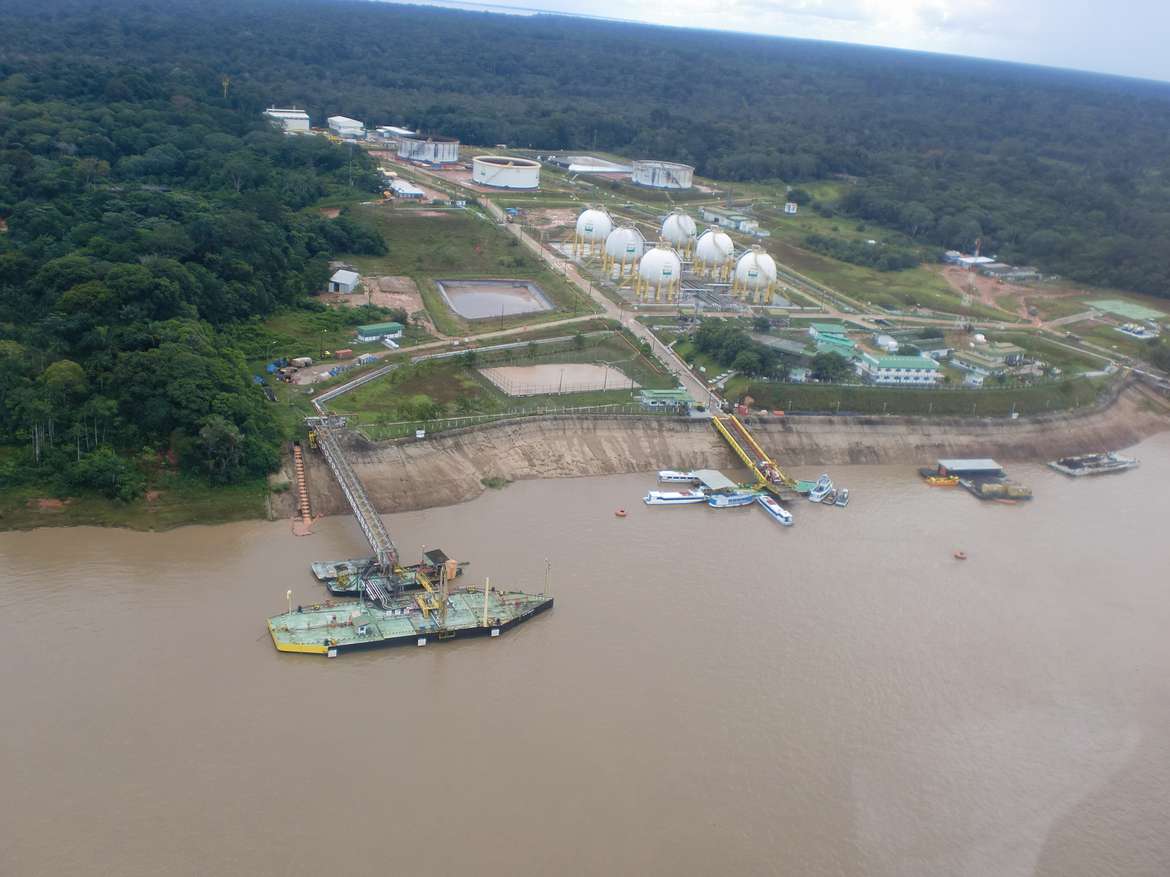
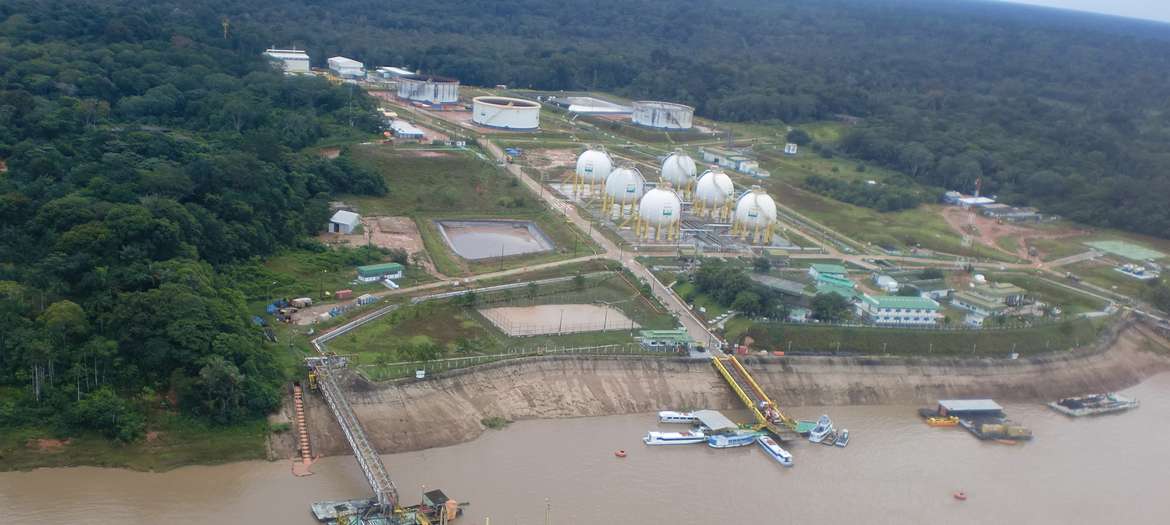
A gas pipeline of the Petrobras energy group runs through the rainforest in the Brazilian Amazon region. Located between Urucú and Manaus are two compressor stations which boost the gas pressure in the pipeline. The stations can only be reached by a complex route along the river or by helicopter. The seals of the compressors therefore require a particularly reliable and low-maintenance gas supply.
The natural gas is extracted from a gas field in Urucú. From there, the pipeline runs over 663 kilometers to the city of Manaus. Gas customers are a refinery and power plants. The compressors are activated mainly when energy peaks need to be covered.
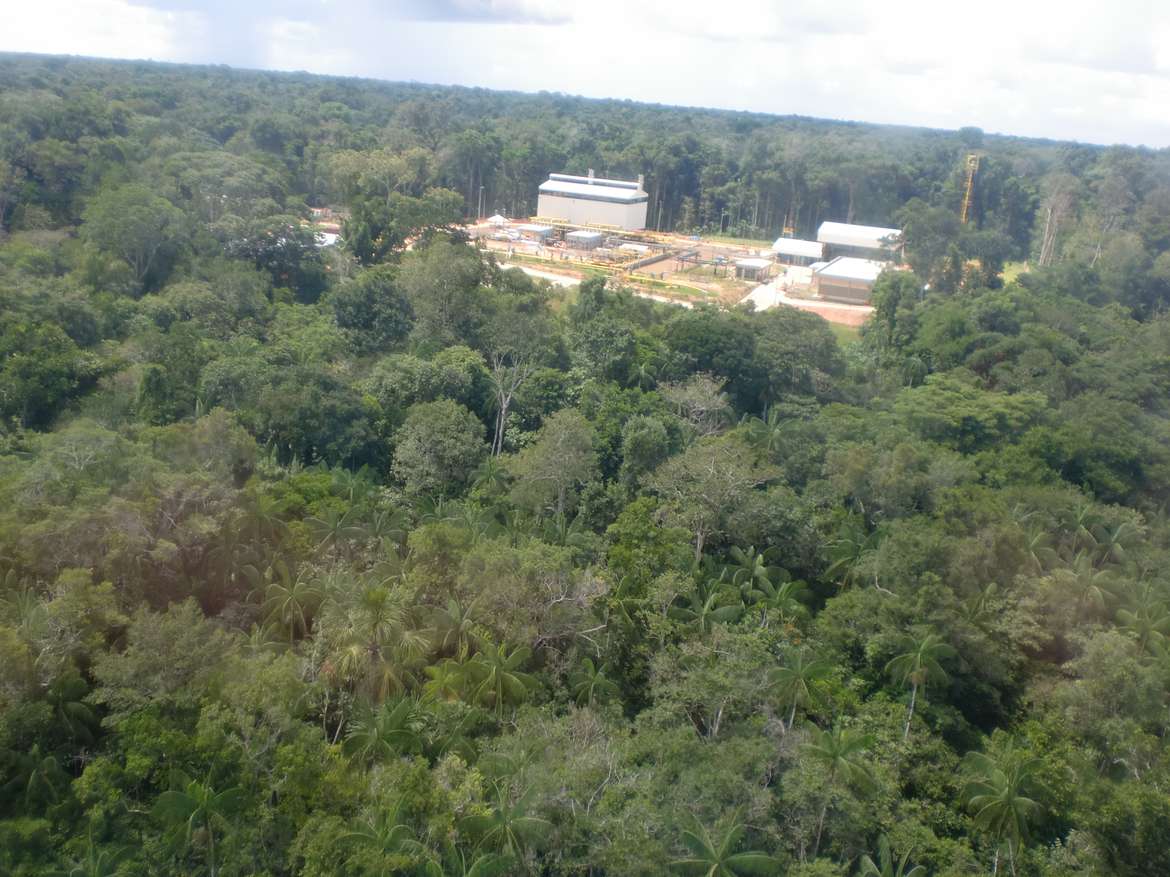
Both compressor stations are each equipped with two compressors. Each of the shafts are equipped with two dry gas seals. After the stations were commissioned in 2009, the seals were initially supplied with nitrogen from tanks during the starts and stops. This consumed a complete set of nitrogen tanks per start-up process. As a result, the operator Petrobras Transporte S. A. (short: Transpetro), was continuously forced to deliver filled tanks by river and haul away the empty tanks. The compressors start up about once a week, especially during the summer when the demand for electricity to operate air conditioning systems increases sharply.
The operator therefore decided to fill the tanks with nitrogen from a truck and a small compressor in the vehicle. But because there are no roads, it was also very expensive and time-consuming to take the truck by river to the compressor stations. In addition, this resource intensive process obstructed the remote control of the compressor station from Rio de Janeiro.
This was an unacceptable permanent solution. The operator therefore looked for a system that would reduce the cost and effort of supplying the seal in the long term. In 2012 the decision was made to install a RoTechBooster from EagleBurgmann.
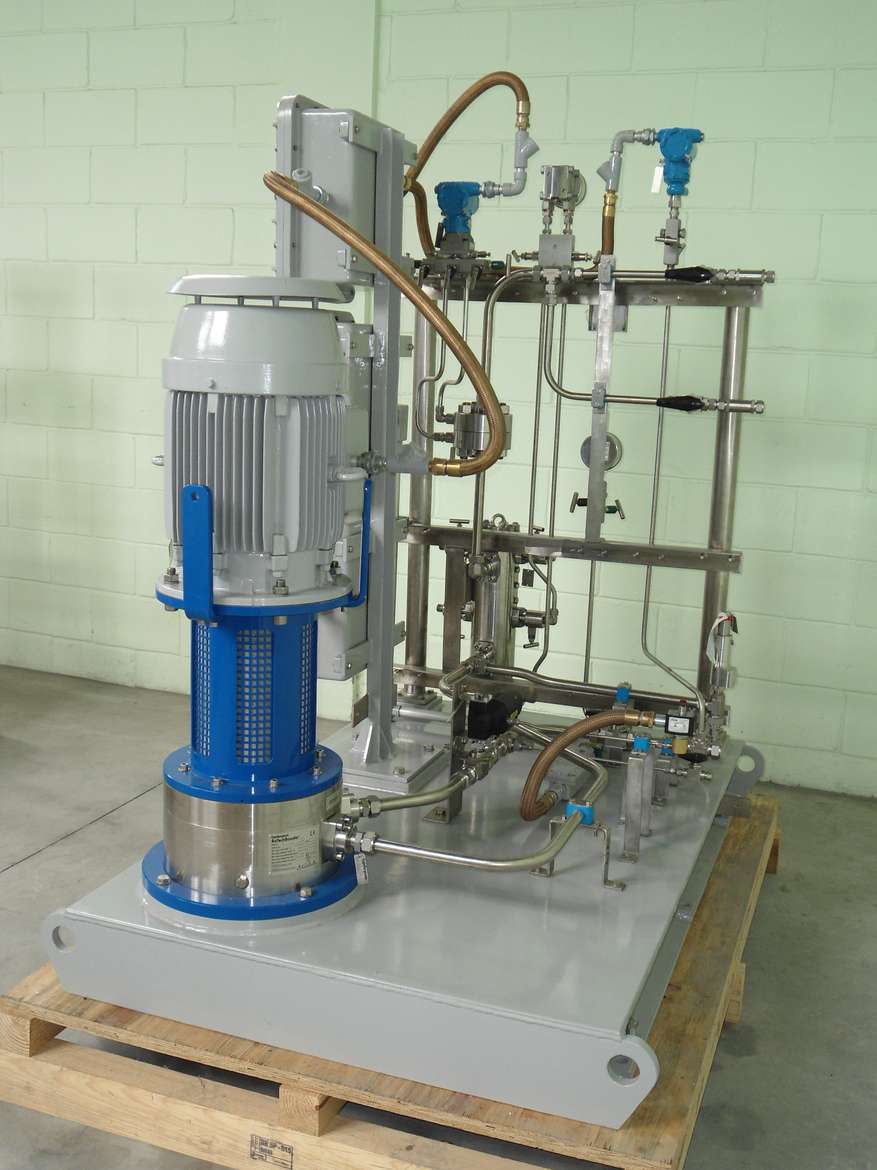
The seals are supplied with product gas from the compressor while the system is in operation. The product gas is then removed on the pressure side of the compressor where it is cleaned by filter and flushed into the seals. When the compressor runs slowly or comes to a standstill, there is no differential pressure between the compressor outlet and the seal installation cavity. In these phases, the RoTechBooster starts up and pumps gas from the compressor through the filter to the seal. This prevents polluted product gas from penetrating the installation space and contaminating and damaging the sealing surfaces.
The system is compact and easy to install. One unit supplies one compressor.
Unlike piston compressors, the RoTechBooster requires virtually no maintenance, making it ideal for compressors that are remotely controlled and located in inaccessible areas. The supply systems have been running smoothly and without maintenance there since June 2013. EagleBurgmann and Transpetro had agreed on the first service after five years.
The magnetic coupling of the RoTechBooster is also a strong argument for use in the rainforest, as it hermetically seals the booster shaft. No climate-damaging methane escapes into the atmosphere and is not wasted unnecessarily. The operating principle is simple and requires no additional accessories. Also, the special magnetic coupling generates 95 % less eddy current losses than a conventional magnetic coupling, which reduces heat generation in the coupling and decreases power consumption.
RoTechBooster operating conditions:
For this project, EagleBurgmann supplied the engineering as well as the complete RoTechBooster skids and installed them on site. A skid consists of the RoTechBooster, filters, pressure and flow transmitters, valves and a frequency converter. All components are connected to a programmable logic controller. EagleBurgmann optimized the electronic control system so that it feeds just as much gas to the seals as is necessary for reliable operation. The speed of the RoTechBooster motor, and consequently the amount of gas flow, is determined by the control system via the frequency converter.
Changing over to the seal supply system has paid off for Transpetro. The compressor stations can be controlled from Rio de Janeiro and the high costs for nitrogen trucks are eliminated. In actual fact, the expenses for the supply systems were amortized after six to eight months.
Reliable and low mantenance supply for dry gas seals in the rainforest. RoTechBooster Coari compressor station Brazil

Things get hot in rotary kilns, very hot in fact. In the production of cement, for example, the thermometer measures more than 1,000 degrees Celsius. Sealing systems from EagleBurgmann, a company of the Freudenberg Group and EKK, make sustainable contributions to environmental protection, energy efficiency and process reliability under these "fiery" high-temperature conditions.

A boiler circulation pump in a power plant conveys very hot and pressurized water. The pump has no cooling jacket, which increases the risk of a thermosiphon effect.

Pharmaceutical manufacturers like the Bayer AG rely on mechanical seals in their manufacturing plants.

When the process medium in the production of metformin may not be contaminated with sealing medium under any circumstances, gas-lubricated seals for agitator shafts are the first choice. The Norwegian company Vistin Pharma took a daring step away from oil-lubricated to nitrogen overlayed seals.