Situation:
Problems with nitrogen supply in the production of flame retardants.
When problems are encountered with nitrogen supply in production, such as low or fluctuating pressure, it can be useful to switch to a lip seal.
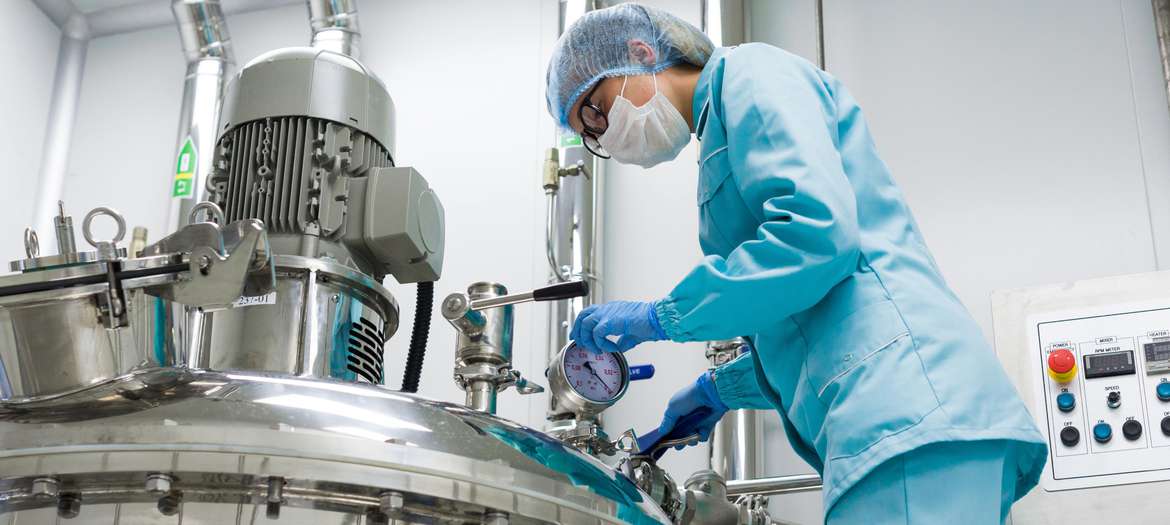
Problems with nitrogen supply in the production of flame retardants.
Sealing of a production reactor with fluctuating nitrogen pressure.
SeccoLip with highly resistant PTFE lips.
ICL-IP Bitterfeld is an international chemical company and producer of inorganic phosphorus chemicals and flame retardants. Bitterfeld is considered the birthplace of the German phosphorus industry. Flame retardants are used primarily in the construction industry, furniture and vehicle manufacturing, and the electrical industry. Intermediate products such as phosphorus trichloride, phosphorus oxychloride and phosphonic acid are also produced here. The plant equipment used at ICL Bitterfield includes a production reactor that was initially sealed with an AGS481-type gas seal. To operate the AGS safely, a differential pressure of 3 bar is required between the barrier chamber and the vessel. With a maximum boiler pressure of 1 bar, a buffer pressure of 4 bar must be provided at the seal. In addition, the pressure control valve (PCV) installed in the gas supply system needs an inlet pressure of 1.5 to 2 bar above the established barrier pressure. Add all these pressures together, and the required nitrogen pressure is approximately 6 bar. However, the available nitrogen pressure in the loop line on the container was only 2.8 bar. As a result, the seal failed every 6 months. The optimization measures attempted over time, such as installing a pressure increase station, did not produce the desired results, and relatively frequent repairs were required due to heavy wear.
The search for an alternative solution focused quickly on the newly introduced lip seal SeccoLip. Compared with dry-running mechanical seals, for which a differential pressure of 2 bar is recommended, the SeccoLip can be operated at a significantly lower differential pressure. That is especially useful for these kinds of applications. Another decisive factor was the chemical resistance of the PTFE lips used in the SeccoLip seal. In combination with Hastelloy parts used in contact with this product, SeccoLip can be safely used with aggressive media such as those found in the processes at ICL.
The current shape of the lips is the result of extensive material testing, optimizations, and trials as well as EagleBurgmann’s many years of experience. The patented combination of PTFE sealing lip and rolling bearing in a single component allows for shaft compensation without additional compensation elements. The innovative design and optimized material pairing offer an intelligent alternative to typical solutions.
The SeccoLip has a modular design that enables unpressurized operation and connection of a gas supply system. The GSS4010 supply system used at ICL-IP is a combination of a flushing and buffer system that was specially developed for SeccoLip. SeccoLip was fitted with 3 lips for compatibility with this system. The first lip faces toward the product, the second faces outwards, and the third also faces the product. This arrangement enables the connection of a flushing system at the first lip and a barrier system at the second and the third lip.
After successful commissioning of SeccoLip in the plant, nitrogen consumption stabilized compared with the gas seal. The seal has performed reliably ever since. Monitoring of pressure and flow ensures that this will remain the case. The operator is also pleased by the reduced nitrogen consumption. Clearly, the switch to the dry-running SeccoLip was a success in many respects.
Operating conditions
Lip seal for agitators, mixers, dryers, reactors and screw conveyors.

Things get hot in rotary kilns, very hot in fact. In the production of cement, for example, the thermometer measures more than 1,000 degrees Celsius. Sealing systems from EagleBurgmann, a company of the Freudenberg Group and EKK, make sustainable contributions to environmental protection, energy efficiency and process reliability under these "fiery" high-temperature conditions.
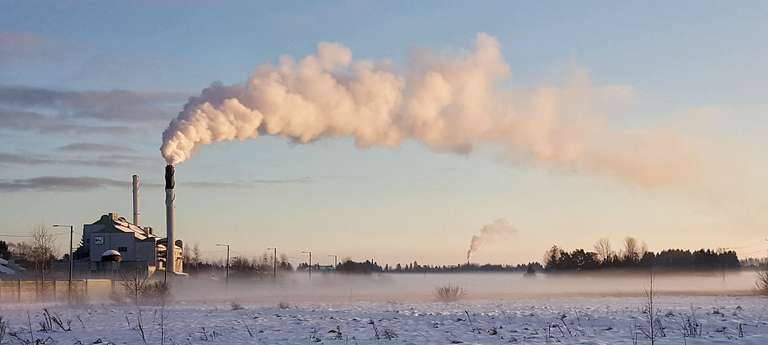
A boiler circulation pump in a power plant conveys very hot and pressurized water. The pump has no cooling jacket, which increases the risk of a thermosiphon effect.

Pharmaceutical manufacturers like the Bayer AG rely on mechanical seals in their manufacturing plants.
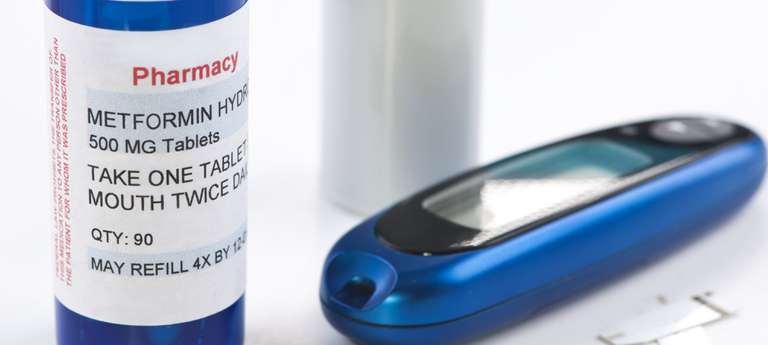
When the process medium in the production of metformin may not be contaminated with sealing medium under any circumstances, gas-lubricated seals for agitator shafts are the first choice. The Norwegian company Vistin Pharma took a daring step away from oil-lubricated to nitrogen overlayed seals.