Situation
Poor lubricating properties of the coolant and contaminating particles
Pusher seal H75VN with DiamondFace for a pump in a cooling process

Poor lubricating properties of the coolant and contaminating particles
Retrofitting a seal that was intended for a different application
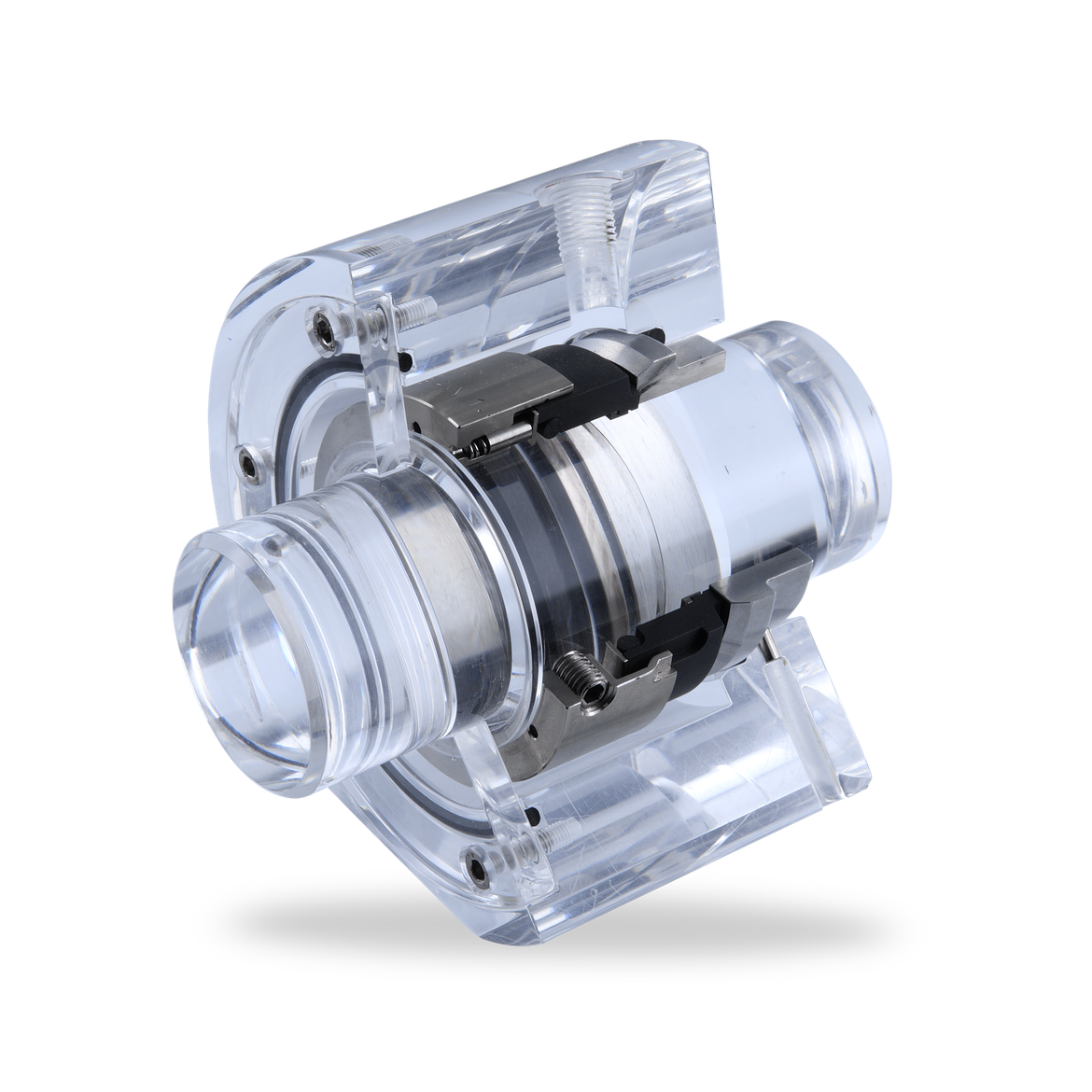
O-ring seal H75VN with DiamondFace from EagleBurgmann

At one of its several manufacturing plants in the Middle East, a chemical company produces Toluene Diisocyanate (TDI). This chemical is a crude material used for the production of polyurethanes, which in turn is used for flexible foam applications like furniture or carpet underlays or packagings, as well as for coatings, sealants, adhesives or elastomers etc.
For the purifying process, this fluid is dissolved in a suitable organic solvent and then cooled to a temperature so that portions of the isocyanate crystalize. The crystallites are separated from the mother liquor, where a portion of the mother liquor is recycled to a crude isocyanate stream while the remaining portion is purged from the system. The crystals are then dissolved again in a mixture of fresh solvent and mother liquor recycled from a subsequent stage, depending on the requirement. The temperature of each crystallization stage is higher than in the previous crystallization. TDI must therefore be cooled.
The chemical company operates a mechanical refrigeration unit (MRU) with a magnetic coupling pump. R134A-Freon serves as refrigerant, as it is completely compatible to the production of TDI as well as being non-ozone depleting. It is widely used, but because of its poor lubrication properties it is a very challenging fluid for the seals at the pump shaft.
Two weeks after commissioning the magnetic coupling failed. A quick solution was needed. It was therefore decided to remove the pump from the system and replace it with a stand-by-pump equipped with the pusher seal H75VN from EagleBurgmann. However, the stand-by-pump was not originally equipped for such a cooling process, which is why the seals also failed in less than three weeks.
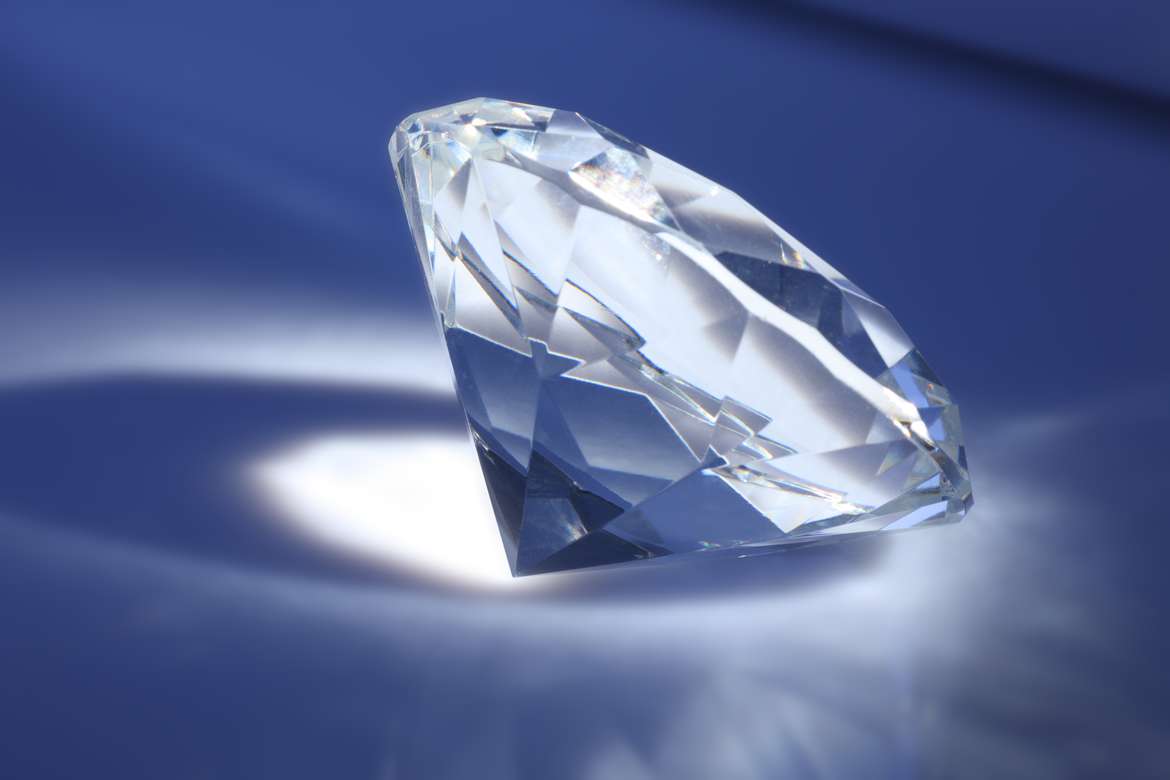
The technicians of the chemical company contacted EagleBurgmann and requested a solution. Since the delivery of the dry gas seal DGS6 with DiamondFace, the standard recommendation for processes with R134A-Freon, would have taken too long, EagleBurgmann suggested to change the seal face and seat of the H75VN and replace it with DiamondFace seal faces. This special technology provides the surfaces of the seal faces with a microcrystalline coating of artificially produced diamond, making them extremely wear-resistant and capable of partial dry running. DiamondFace reduces heating of the seal and carbonization effects due to contaminating particles.
After operating for 18 months without interruptions, the seal was inspected and its good condition impressed the customer very much. The EagleBurgmann solution now plays a role model with the result that several other pumps were retrofitted, including some pumps in other processes where seals were affected, for example, by barrier fluids like monochlorobenzene with very poor lubricating and high oxidizing characteristics.

Things get hot in rotary kilns, very hot in fact. In the production of cement, for example, the thermometer measures more than 1,000 degrees Celsius. Sealing systems from EagleBurgmann, a company of the Freudenberg Group and EKK, make sustainable contributions to environmental protection, energy efficiency and process reliability under these "fiery" high-temperature conditions.

A boiler circulation pump in a power plant conveys very hot and pressurized water. The pump has no cooling jacket, which increases the risk of a thermosiphon effect.

Pharmaceutical manufacturers like the Bayer AG rely on mechanical seals in their manufacturing plants.
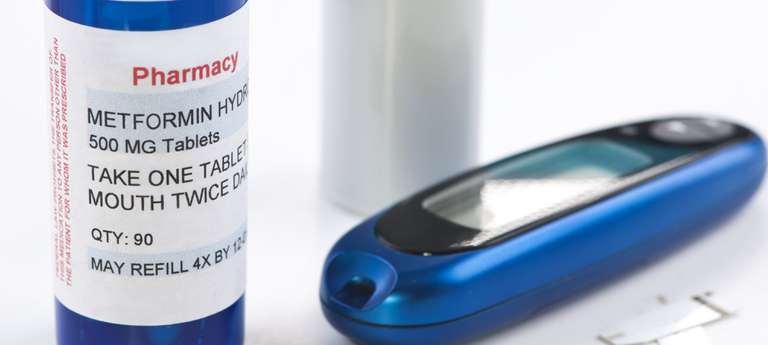
When the process medium in the production of metformin may not be contaminated with sealing medium under any circumstances, gas-lubricated seals for agitator shafts are the first choice. The Norwegian company Vistin Pharma took a daring step away from oil-lubricated to nitrogen overlayed seals.